Trad TATTOO ARTIST • Easthampton MA
Trad Tattoos in Easthampton
Getting Your First Tattoo
What should I know before getting my first tattoo?
Getting your first tattoo is exciting, nerve wracking, intense, and could be a great or horrible experience. You will remember getting your first tattoo for the rest of your life, and a little preparation goes a long way. Here's what we recommend to make sure your first tattoo experience is smooth from start to finish.
- Research your artist — Browse our portfolio and find work that resonates with your style. We specialize in creating custom pieces tailored to each client, adapting reference, or tattooing flash designs specifically created to be tattooed. Have short conversations with your perspective tattooers to see if it's a good personality fit.
- Choose your tattoo design thoughtfully — Sit with your idea for a while. An abstract tattoo that has no literal meaning is different than one that reflects your values, or favorite band, may change. Sometimes designs anchor positive ambitions spirits, others negativity. Artistically, be open to the direction of your tattoo artist as not every piece of art can be tattooed well. The skin is a unique medium and size and details are more important in a tattoo design than most people know.
- Prepare your body — Stay hydrated, eat a full meal, get a good night's sleep, and avoid alcohol or blood thinners for 24 hours before your tattoo appointment.
- Bring valid photo ID — You must be at least years old.
- Wear comfortable clothing — Choose something that gives easy access to the area being tattooed.
We walk every first-timer through the process step by step, so don't hesitate to ask questions at any point.
How do I find a good tattoo artist?
The right tattoo artist makes all the difference — and we're confident our work speaks for itself. That said, each artist is unique as are clients. Here's what to look for when choosing your next tattoo artist. You need to truly trust them to mark you for the rest of your life to get the best tattoo.
- Portfolio consistency — Look for clean lines, solid saturation, and healed work (not just fresh photos). Our portfolio showcases both.
- Style alignment — Every artist has different strengths and styles. Some specialize for years, others tattoo anything that walks through the door. Make sure the artist's work and specialty match what you want — whether it's fine line, traditional, realism, or blackwork. Browse our tattoo gallery to see examples.
- Studio environment — Visit in person before picking. A professional studio should be clean, licensed, and welcoming. Check out a bunch, take the time. Getting a tattoo is not an emergency!
- Reviews and reputation — Check Google reviews, social media, and word of mouth.
- Communication — A great artist listens, collaborates, and makes you feel comfortable. Some tattooers may be used to tattooing collectors, others happy to slow down for first time tattoo clients.
We invite you to visit our studio, review our portfolio, check out our client testimonials and reviews, and see firsthand why our clients keep coming back. Ready to get started? Book a consultation.
What's the best placement for a first tattoo?
Key things to decide:
How visible do you want it day‑to‑day (work, family, future plans)?
- Forearms & outer arms are easy to show but still cover with long sleeves; upper thigh, upper back, and ribs are more private.
How worried are you about pain?
- Areas with more muscle/fat and fewer nerves tend to hurt less: outer upper arm, outer forearm, outer thigh, calves, upper back, and outer shoulder are consistently rated low to moderate pain. Everyone who has gotten a tattoo has endured the pain, and you can too if you believe you can.
How big and detailed is the design?
- The tattoo should fit the body part, and your tattoo artist will have the best advice based on the design and idea. Larger or more detailed pieces do better on flatter, broader areas like the forearm, upper arm, thigh, or upper back. Always keep in mind future tattoo plans for the body part and size the design accordingly. First time clients tend to want something small to test the waters, but grand ideas.
Current and future job context.
- Many conservative workplaces still prefer tattoos that can be hidden under standard business clothing, so avoiding hands, neck, and face is safer if your career path is uncertain. If you are awesome at what you do and are confident in your future then we may accept hand/neck tattoos. No faces.
Recommended first‑tattoo spots
- Outer forearm: Flat, visible when you want, easy to cover with sleeves; generally lower on the pain scale and works for small to medium designs and scripts.
- Outer upper arm / outer shoulder: One of the least painful areas, curves nicely for traditional, neo‑trad, or illustrative pieces, and can be hidden with a T‑shirt sleeve if needed.
- Outer thigh: Fleshy, low movement, and among the least painful placements; great if you want privacy but still a big canvas.
- Calf: Muscular with thicker skin, usually mild pain and easy healing, and you decide how visible it is based on clothes.
- Upper back / shoulder blade: Relatively low pain and ages well, especially for medium‑to‑large pieces, but you don’t see it as much yourself.
Areas to avoid for a very first piece
- Hands, fingers, neck, face, ribs, spine, feet, and inner joints (elbows, knees, ankles, armpits, groin) are much more painful and often fade or blur faster (hands/fingers/feet).
- Very bony, thin‑skinned, or high‑movement spots can make a first session overwhelming and may increase the chance you tap out mid‑tattoo.
During your consultation, we'll help you find the ideal placement based on your design's size, shape, how it flows with your body's natural contours, and affect future tattoos. See how placement works with different styles in our tattoo gallery.
Many people are sure they will stop at one, but nearly everyone continues on their tattoo journey. Many of our first tattoos were badly placed and sized because we thought we knew best for the tattoo and did not take the advice of the tattooer. Ultimately the tattoo is yours, your tattoo artist should have expert advice.
What size tattoo is best for a first tattoo?
Small to medium designs (2–4 inches) are a great starting point for a first tattoo. They allow enough detail for a meaningful piece without committing to a long first session. Your first tattoo can (and should) be designed with larger tattoos planned for the future.
- Most shops have a minimum size — Often 2–3 inches, tied to the shop's minimum pricing (ours is ). This ensures enough space for quality work.
- Too small can be a problem — Extremely tiny designs tend to blur over time as ink naturally spreads beneath the skin.
- Detail needs space — Intricate linework, shading, or lettering requires enough room to remain legible as the tattoo ages.
- Smaller pieces heal faster — Less skin surface means a quicker recovery, giving you a feel for the process before going bigger.
We'll advise on the minimum size your design needs to look sharp now and age gracefully over the years. Trust us on sizing — we understand how ink behaves in skin. Book a consultation to discuss your design.
Tattoo Design & Style
How do I pick a tattoo design I won't regret?
Tattoos are uniqie in they will be with you until the end. What each of us may regret is unqieu to us, thoguh there are common tattoo regrets for sure. Some clients prefer a deeply personal custom piece they've been thinking about for years, to others a spontaneous flash design just speaks to them, or anything in between. What they all have in common is that the person was honest about why they wanted it.
In tattooing, mistakes are easy to make and hard to fix, so understanding your motivation is the best place to start.
People get tattoos for many reasons — all of them valid:
- To express who they are — Identity and individuality tend to be the #1 reason people get tattooed. If you dont know who you are yet, this can be an issue in a decade or two.
- Because they look good — Pure aesthetic appeal. Sometimes an abstract design just belongs on your body. Looking good trends can shift fast, make sure the art your getting isn't a flash in the pan trend!
- To feel more confident — Many clients say tattoos help them feel more comfortable in their own skin. Once you start feeling better about yourself, you can become a better person. Positive tattoos do this, while tattoos to anchor/remember trauma wont (these can have the opposite effect).
- To tell their story — Commemorating people, milestones, or life chapters as a personal "body diary." Take important memories with you until the very end.
- To reclaim their body — Covering scars, processing trauma, or marking a turning point in life.
- To belong — Matching tattoos with family, partners, friends, or to honor a shared experience. Ironically, tattoos started this last century often as an act of rebellion, but throughout history has more often been a mark of community or belonging.
- For the love of art — Seeing the body as a canvas and celebrating creativity.
- Chosen impulsively to follow a trend rather than personal resonance
- Too small or poorly placed for the design to age well
- Done without trusting the artist's guidance on what works in skin
Can I bring my own tattoo design?
We welcome it. Bring reference images, personal sketches, screenshots, mood boards — anything that helps us understand your vision.
- Custom vs Flash — We do both! Custom work starts from your ideas and is designed specifically for you. Flash consists of pre-drawn designs ready to tattoo, often more affordable and available for walk-ins.
- Your references are our starting point — We use them to understand your aesthetic, then adapt the concept for skin.
- Paper-to-skin translation — A design on paper often needs adjustments in proportion, line weight, and detail to work as a tattoo.
- Collaboration is key — Your artist will refine the design to flow with your body's natural anatomy while preserving what makes it yours.
The more reference material you bring, the more efficiently we can bring your idea to life. We love working with clients who come prepared.
That said, putting too many ideas into one tattoo is often an issue. If your artist is starting to stress as you keep adding more details and ideas, stop and reconsider! Remember, it's always best to simplify and get to the essence of the idea, especially in tattooing.
Will you copy another artist's tattoo exactly?
We respect the artistry and intellectual property of other tattoo artists, so we won't replicate someone else's custom piece line for line.
- Inspiration, not duplication — We're happy to use another artist's work as a reference for style, composition, or subject matter.
- Every piece should be original — Your tattoo should be a one-of-a-kind work created specifically for you, unless it's a flash piece designed to be replicated of course.
- We'll elevate the concept — Your artist will capture what you love about the reference while bringing their own skill and creative perspective to the tatto.
This approach ensures you walk away with something truly unique — a piece no one else is wearing.
How do I choose the right tattoo size?
Size is driven by the level of detail in your design and where it sits on your body. Going too small is the most common mistake we see. Ultimately your tattoo design should fit the body part, with consideration of future tattoo work.
- Simple designs — Can work well at 2–3 inches. Pay attention not to disrupt the "flow" of the body part and can work with future designs.
- Detailed work — Portraits, intricate patterns, and fine script typically need 5-6+ inches to remain legible over time.
- Aging matters — Ink spreads microscopically over the years, so designs need enough breathing room to stay striking and readable.
- Body placement — Curved or textured areas (ribs, fingers, feet) may require different sizing than flat surfaces.
During your consultation, we'll recommend the ideal dimensions to ensure your design looks sharp now and holds up for decades.
Do color tattoos or black and gray last longer?
Both tattoo styles can last a lifetime with proper care, but they do age differently.
The short answer: black and gray is generally more resilient, but well-executed color work holds up beautifully over time too.
- Black and gray — Black ink is the most stable pigment and resists fading the best over time.
- Color tattoos — Can be equally long-lasting, though lighter shades (yellows, pinks, whites) may need periodic touch-ups.
- Sun exposure is the real enemy — UV damage fades both styles. SPF 30+ sunscreen on healed tattoos is non-negotiable for the health of the tattoo.
We execute both styles at a high level and will help you choose the approach that best serves your design.
What type of ink do you use? Is it vegan or hypoallergenic?
We use professional-grade tattoo inks from reputable manufacturers that meet current industry safety standards. Many of the inks in our studio are vegan-friendly.
- Vegan options available — Many modern tattoo inks are free of animal-derived ingredients. Let us know if this is important to you.
- Allergies and sensitivities — If you have known sensitivities, mention them during your consultation so we can review ink ingredients together.
- Patch testing — For clients with concerns, we can perform a small patch test before your session.
- Red ink note — Allergic reactions are rare but most commonly associated with red pigments.
Your safety and comfort are our priority. We're happy to discuss our ink sourcing in detail during your consultation.
Booking & Appointments
How do I book a tattoo appointment?
Booking with us starts with a simple tattoo request through our website. Share your idea and we'll take it from there.
- Submit a request — Include your design idea, preferred placement, approximate size, and any reference images.
- We'll respond within — Every submission is reviewed personally.
- Consultation — We'll schedule a time to discuss your concept, finalize design direction, and lock in your appointment.
- Secure your spot — A deposit of confirms your booking.
The more detail you include upfront, the more efficiently we can bring your vision to life. We look forward to hearing from you.
What happens at a tattoo consultation?
A consultation is where your tattoo journey begins. It's a collaborative conversation to make sure we're perfectly aligned before any ink touches skin.
- Design discussion — We'll review your ideas, reference images, and refine the concept together.
- Sizing and placement — Your artist will recommend ideal dimensions and positioning for your body.
- Time and cost estimate — You'll receive a clear quote based on your specific design.
- Questions welcome — This is your opportunity to ask about the process, aftercare, or anything else.
Consultations ensure there are no surprises on tattoo day — just excitement. Book your consultation.
How far in advance should I book?
We recommend booking at least in advance, especially for larger or more complex pieces. Our schedule fills up, so planning ahead is key.
- Large or detailed work — Book as early as possible to secure your preferred dates and allow time for custom design development.
- Smaller pieces — Shorter lead times may be available if your schedule is flexible.
- Design time — Advance booking gives your artist adequate time to create something exceptional.
Reach out as early as you can and we'll find the right window for your project. Get started here.
Do tattoo artists require a deposit?
Yes. A deposit of is required to secure your appointment. This is standard practice at professional studios and protects both your time and ours.
- Reserves your time slot — Your artist blocks dedicated hours for your session.
- Covers initial design work — Custom artwork is created before your appointment.
- Applied to your total — The deposit goes toward the final cost of your tattoo.
- Non-refundable for no-shows — If you cancel without notice, the deposit is forfeited as your artist has already invested creative time.
If you need to reschedule, just give us adequate notice and your deposit stays intact.
What if I need to reschedule?
Life happens — we understand. We simply ask for at least notice so we can offer your time slot to another client.
- Reschedule with notice — Contact us within the required window and your deposit carries forward to your new date.
- Late cancellations or no-shows — May result in forfeiture of your deposit, with a new deposit required to rebook.
- Communicate early — The sooner you let us know, the easier it is for everyone.
We're flexible and want to work with you — just keep us in the loop.
What questions should I ask before booking?
Asking the right questions before booking shows you're a thoughtful client — and helps ensure a great experience. Here are the ones that matter most.
- Does the artist specialize in the style I want?
- Can I see healed examples of their work? (Fresh tattoos always look great — healed work tells the real story.)
- What is the studio's sterilization process?
- What aftercare method do they recommend?
- What's the policy on touch-ups?
- How are design revisions handled?
- What forms of payment are accepted?
We're happy to answer every one of these and more. Transparency is how we build trust with our clients.
Tattoo Pricing & Cost
How much does a tattoo cost?
Tattoo pricing depends on size, complexity, placement, and session time. We believe in transparent pricing with no surprises.
- Shop minimum — $
- Hourly rate —
- Small, simple designs — Typically fall near the shop minimum.
- Larger or detailed pieces — Quoted based on estimated session time during your consultation.
Your artist will provide a clear cost estimate before your appointment so you know exactly what to expect. Quality tattooing is an investment in your skin — and our pricing reflects the craftsmanship you'll receive.
Why are tattoos so expensive?
A quality tattoo reflects years of training, premium materials, and a level of care that protects your health and produces lasting results.
- Artistic expertise — Your artist has invested years in apprenticeships and continued education to master their craft.
- Sterile, single-use supplies — Every session requires new needles, medical-grade equipment, and rigorous sanitation.
- Custom design time — Your piece is drawn and refined before you ever sit in the chair.
- Studio overhead — Insurance, licensing, premium inks, and a professional workspace all factor into pricing.
You're paying for original artwork on your body, applied safely by a skilled professional. A well-done tattoo is one of the best investments you can make — it lasts a lifetime.
How much should you tip a tattoo artist?
Tipping is customary and always appreciated. It recognizes the artistry, expertise, and care your artist brings to every session.
- Industry standard — 20–25% of the total tattoo cost.
- Exceptional experience — Many clients tip 25–30% or more.
- Multi-session pieces — You can tip after each session or upon completion — either approach is welcome.
- Cash or card — Both accepted, though cash is always appreciated.
Your tip is a direct reflection of the value you place on the experience and the artwork. Our artists pour their heart into every piece.
Do tattoo prices include touch-ups?
We stand behind our work. Minor touch-ups are complimentary within of your original session, as long as you've followed our aftercare instructions.
- What touch-ups address — Small areas where ink may not have settled evenly during healing. This is a normal part of tattooing.
- Complimentary window — Within of your session, at no additional cost.
- After the window — Touch-ups are available at a reduced rate.
- Best prevention — Follow your aftercare instructions carefully to minimize the need for touch-ups.
Proper aftercare is the single best thing you can do to protect your investment.
Preparing for Your Tattoo
What should I do before getting a tattoo?
A little preparation makes a big difference in how your session goes and how your tattoo heals. Start a few days before your appointment.
- Hydrate — Drink plenty of water in the days leading up. Hydrated skin accepts ink more smoothly.
- Eat well — Have a full meal before arriving. Low blood sugar can cause dizziness.
- Sleep — A full night's rest improves your pain tolerance and overall comfort.
- Avoid alcohol — No drinking for at least 24 hours. Alcohol thins your blood and can increase bleeding.
- Skip blood thinners — Avoid aspirin, ibuprofen, and similar medications.
- Moisturize the area — In the days before (but not the day of) your appointment.
- Arrive clean — Shower beforehand and skip lotions or sunscreen on the tattoo area.
Show up rested, fed, and hydrated — and we'll handle the rest.
What should I bring to my appointment?
Come prepared and your session will be much more comfortable. Here's our recommended packing list.
- Valid government-issued photo ID — Required. We accept driver's licenses, state IDs, passports, and military IDs. You must be at least years old. No exceptions.
- Comfortable clothing — Loose-fitting clothes that give easy access to the area being tattooed.
- Snacks and water — Especially for sessions over an hour. Keep your energy steady.
- Entertainment — Headphones, a book, or a fully charged phone.
- Blanket or pillow — Optional, but helpful for longer sessions.
- Sugary snack — If you're prone to low blood sugar, pack juice or candy.
We'll provide everything else. Just bring yourself, your ID, and your excitement.
Can I bring someone to my appointment?
You're welcome to bring one guest for moral support. We just ask that you keep it to one person to maintain a calm, professional workspace.
- One guest max — Too many visitors can be distracting for both you and your artist.
- Quiet and respectful — Your guest should be prepared to sit calmly and avoid touching studio surfaces or equipment.
- Longer sessions — Your guest may want to step out periodically. Watching someone get tattooed for hours is more tiring than it seems.
A supportive friend can make your first experience even more enjoyable — just let them know what to expect.
Should I shave before my appointment?
No need — your artist will prep the area as part of the setup. We actually prefer to handle it ourselves.
- We use sterile, single-use razors — This minimizes the risk of irritation or micro-cuts before tattooing.
- If you shave at home — Do it at least 24 hours before your appointment to let any irritation subside.
- Avoid waxing or depilatory creams — These can sensitize the skin and complicate the tattooing process.
Leave the prep to us. We'll make sure the area is clean, smooth, and ready for ink.
Can I drink alcohol or caffeine before?
Alcohol is a firm no. Caffeine is generally fine in moderation.
- No alcohol for 24 hours — It thins your blood, increases bleeding, and can compromise ink absorption and healing quality.
- Most artists will decline to tattoo intoxicated clients — It's a safety and consent issue.
- Moderate caffeine is okay — Your usual morning coffee won't be a problem.
- Avoid excess caffeine — Too much can increase jitters, anxiety, and sensitivity.
- Skip the caffeine withdrawal — If you're a daily drinker, have your normal cup. A headache won't help your comfort.
Stay hydrated with water and arrive clear-headed for the best results.
Tattoo Pain & What to Expect
Does getting a tattoo hurt?
Honestly? Yes, there's discomfort involved. But the vast majority of our clients say it was much more manageable than they expected.
- The sensation — Most describe it as a persistent scratching or burning, similar to a cat scratch or sunburn being drawn on.
- Pain is subjective — It depends on placement, your personal tolerance, and session length.
- Endorphins kick in — Your body releases natural painkillers within the first 15–20 minutes, which dulls the sensation significantly.
- It's temporary — The discomfort lasts hours. The artwork lasts a lifetime.
We'll keep you comfortable throughout the process — breaks, conversation, and a relaxed environment all help.
What does getting a tattoo feel like?
The sensation changes depending on the type of work being done and where on your body. Here's what to expect at different stages.
- Outlining — A sharp, focused scratching. The most precise and noticeable sensation.
- Shading — A broader, more diffuse vibrating pressure. Many clients find this more tolerable than lining.
- Color packing — Similar to shading, with a mild burning sensation as the area is worked over.
- Common comparisons — Rubber band snapping, intense buzzing, or a hot scratching feeling.
Most clients acclimate within the first several minutes. The anticipation is almost always worse than the reality.
Where are the most painful places?
Areas with thin skin over bone and dense nerve clusters are the most sensitive. Here's a general breakdown.
Most painful:
- Ribs, spine, and sternum
- Kneecaps and elbows
- Feet, ankles, and shins
- Hands and fingers
- Neck and inner bicep
- Outer upper arm and bicep
- Forearm
- Calf
- Thigh
- Upper back
Everyone's tolerance is different — what's intense for one person may be completely manageable for another. We'll help you choose a placement that balances your design goals with your comfort level.
How long does a session take?
Session length depends entirely on the size and complexity of your piece. We'll give you a clear time estimate during your consultation.
- Small, simple designs — 30 minutes to 1 hour.
- Medium pieces with moderate detail — 2–4 hours.
- Large, detailed work — 4–6 hours per session, with multiple sessions spaced several weeks apart for healing.
- Full sleeves or back pieces — Multiple sessions over weeks or months.
We schedule adequate time so your artist never feels rushed. Quality work takes the time it takes.
Can I use numbing cream?
Numbing creams are an option, but they come with trade-offs. We recommend discussing it with your artist before applying anything.
- Generally safe — Lidocaine-based creams (4–5%) are well-studied and widely used.
- Surface-level relief — They reduce discomfort for the first 1–2 hours but don't eliminate deeper sensations.
- Skin texture changes — Some products can affect how skin accepts ink, potentially impacting the final result.
- Wear-off contrast — When the numbing fades mid-session, the sudden change in sensation can be jarring.
- Ask your artist first — They'll recommend products that won't interfere with the tattooing process.
For most clients, proper preparation (sleep, food, hydration) and the body's natural endorphin response are more effective than numbing cream.
Can I take breaks during my session?
Absolutely — your comfort is our priority, and breaks are completely normal during any session. Our artists actually build natural pause points into longer appointments so you can recharge.
- Communication — Let your artist know anytime you need a moment to stretch, breathe, or use the restroom.
- Snacks and hydration — Feel free to bring water and light snacks to keep your energy up during longer sessions.
- Better results — Staying relaxed actually produces better tattoos, since tense muscles make the process more difficult.
- No pressure — There's zero judgment for needing a break; every client's tolerance is different.
Just speak up whenever you need a pause — our team wants you to have the best experience possible.
Tattoo Aftercare & Healing
How long does a tattoo take to heal?
The surface layer of your tattoo typically heals within , though full deep-tissue healing takes 2–3 months. Following our aftercare instructions closely makes all the difference in how your tattoo looks long-term.
- Days 1–3 — Redness, tenderness, and mild swelling are completely normal during this initial stage.
- Days 4–14 — Peeling and flaking begin as your skin sheds its outer layer; colors may look temporarily muted.
- Weeks 3–4 — Surface healing completes, but the deeper layers of skin are still settling the ink.
- Months 2–3 — Full deep-tissue healing is complete and your tattoo's true vibrancy emerges.
Be patient with the process and follow the aftercare guidance we provide — your tattoo will thank you.
What products should I use or avoid?
We recommend using to keep your tattoo moisturized during healing — apply a thin layer 2–3 times daily after gentle washing. The right products make a significant difference in how your tattoo heals and settles.
- Use — Fragrance-free, gentle soap for washing; for moisturizing.
- Avoid — Petroleum-based products (Vaseline), scented lotions, alcohol-based products, and hydrogen peroxide.
- Long-term — Switch to a fragrance-free moisturizer after healing, and always apply SPF 30+ sunscreen on healed tattoos.
- Application — Less is more; a thin layer of moisturizer is better than a thick, suffocating coat.
We'll send you home with detailed aftercare instructions and product recommendations tailored to your tattoo.
Can you shower after getting a tattoo?
Yes — you can and should shower after getting a tattoo. Keeping your new tattoo clean is one of the most important parts of proper aftercare, so don't be afraid of water.
- Water temperature — Use lukewarm water; hot water can irritate healing skin and open pores.
- Washing — Gently clean with mild, fragrance-free soap using clean hands only — no washcloths or loofahs.
- Water pressure — Avoid directing a high-pressure stream directly onto the tattoo.
- Drying — Pat dry with a clean paper towel rather than a fabric towel, which can harbor bacteria.
- No soaking — Keep showers brief and avoid baths, hot tubs, or submerging the tattoo.
After drying, apply a thin layer of your recommended aftercare moisturizer and you're good to go.
When can I swim after getting a tattoo?
Hold off on swimming until your tattoo is fully healed — typically . Submerging a healing tattoo in any body of water exposes it to bacteria and chemicals that can cause infection or premature ink loss.
- Pools and hot tubs — Chlorine and warm temperatures create a high-risk environment for healing skin.
- Oceans and lakes — Natural bacteria and contaminants can easily cause infection in an open wound.
- Baths — Even soaking in your own bathtub should be avoided during the healing period.
- After healing — Once fully healed, all water activities are safe; just apply waterproof sunscreen for UV protection.
It's a short wait for a lifetime of great-looking ink — your patience will pay off.
Can I exercise after getting a tattoo?
We recommend waiting at least 48–72 hours before light exercise, and avoiding intense workouts for the first 1–2 weeks. Your fresh tattoo is essentially an open wound, and sweat can irritate it and introduce bacteria.
- High risk — Exercises that stretch, compress, or create friction on the tattooed area.
- Gym equipment — Shared surfaces are breeding grounds for bacteria; avoid direct contact with the tattoo.
- If you do exercise — Wash the tattoo gently immediately afterward and apply fresh aftercare product.
- Listen to your body — Prioritize healing over your workout routine during this short recovery window.
A week or two off from intense training is a small trade-off for a tattoo that heals perfectly.
When can I expose my tattoo to the sun?
Keep your tattoo completely out of direct sunlight for the entire healing period — at minimum . UV exposure is the single most damaging thing for a new tattoo and can cause fading, blistering, and extended healing time.
- During healing — Cover the tattoo with loose, breathable clothing whenever you're outdoors.
- After healing — Always apply SPF 30+ sunscreen before any sun exposure — this is a lifelong habit.
- Why it matters — UV rays break down ink particles faster than any other environmental factor.
- Long-term — Consistent sun protection is the most effective way to keep your tattoo vibrant for decades.
Our artists put incredible detail into your piece — protect that investment by keeping it shielded from the sun.
Is it normal for my tattoo to peel and itch?
Peeling, flaking, and itching are completely normal — it means your skin is healing exactly as it should. This phase typically starts around days 4–7 and resolves within 1–2 weeks.
- Peeling and flaking — Your skin is shedding its damaged outer layer; the tattoo may look patchy or cloudy temporarily.
- Do not pick or scratch — Pulling off flakes prematurely can remove ink and cause uneven healing.
- Itch relief — Gently pat the area or apply a thin layer of to soothe irritation.
- Temporary appearance — Colors may look muted during this phase but will emerge vibrant once healing completes.
Resist the urge to scratch and trust the process — your tattoo's true colors are on their way.
How do I know if my tattoo is infected?
Some redness, swelling, and warmth are normal in the first few days, but certain symptoms may signal an infection that needs medical attention. Infections are uncommon with proper aftercare, but it's important to know the warning signs.
- Spreading redness — Redness that extends well beyond the tattooed area or worsens after 48 hours.
- Discharge — Yellow or green pus with an unpleasant odor (clear plasma is normal).
- Red streaks — Lines radiating outward from the tattoo toward surrounding skin.
- Fever or chills — Systemic symptoms that suggest your body is fighting an infection.
- Increasing pain — Pain that intensifies rather than gradually diminishing over time.
If you notice any of these signs, contact a healthcare provider promptly and let our studio know — we're here to help.
Touch-Ups, Fading & Cover-Ups
Do tattoos need touch-ups?
Some tattoos benefit from a touch-up after the initial healing period, and that's completely normal. We offer complimentary touch-ups within of your original session, provided you've followed our aftercare guidelines.
- Why it happens — Areas with more friction, movement, or sun exposure may lose small amounts of ink during healing.
- Most common — Lighter colors and fine details are more susceptible to minor ink loss than bold lines or solid black.
- Our policy — Touch-ups within are complimentary when aftercare instructions were followed.
- What to expect — A brief appointment to refine any spots that healed unevenly or lost saturation.
Just reach out to schedule a quick touch-up and we'll make sure your piece looks exactly as intended.
Why do tattoos fade over time?
All tattoos change subtly over time as part of the skin's natural aging process, but proper care can keep your ink looking sharp for decades. The good news is that the biggest fading factors are within your control.
- Sun exposure — UV rays are the #1 cause of tattoo fading; always apply SPF 30+ to healed tattoos.
- Friction — Clothing and skin-on-skin contact in certain areas can gradually wear down ink over time.
- Immune response — Your body naturally breaks down ink particles slowly over the years.
- Prevention — Consistent sunscreen, moisturizing, and overall skin health significantly slow the process.
Our artists use high-quality inks and proven techniques designed for longevity — pair that with good habits and your tattoo will age beautifully.
What if I don't like the design once it's on?
We take every step to make sure you love your design before any ink touches skin — you'll approve both the artwork and the stencil placement before we begin. That said, if you have concerns about a healed tattoo, there are always options.
- Stencil stage — Speak up if anything feels off; adjustments are simple before tattooing starts.
- Enhancement — Adding complementary elements can transform a piece you're unsure about into one you love.
- Rework — Certain areas can be adjusted or refined to improve the overall composition.
- Incorporation — An existing tattoo can often be worked into a new, larger design.
Open communication throughout the process is key — our artists want you to be thrilled with the final result.
Can you fix or cover up an old tattoo?
Cover-ups are absolutely possible and are some of the most rewarding work our artists do. A skilled cover-up artist can transform an old, unwanted, or poorly executed tattoo into a piece you'll be proud to show off.
- Design planning — The new tattoo typically needs to be larger, darker, or more detailed to effectively conceal the original.
- Consultation — Your artist will assess the existing tattoo's size, color density, and placement to develop a strategy.
- Laser lightening — In some cases, a session or two of laser treatment beforehand can expand your design options significantly.
- Realistic expectations — A consultation lets us show you what's achievable so there are no surprises.
Book a cover-up consultation with us and we'll walk you through exactly what's possible for your specific situation.
How does tattoo removal work?
Tattoo removal typically involves laser treatments that break down ink particles so your body can flush them away naturally. It's a significant commitment in terms of sessions, cost, and discomfort — which is why we always encourage thoughtful planning before getting tattooed.
- Technology — Q-switched or picosecond lasers are the most common and effective removal methods.
- Sessions — Complete removal usually requires multiple sessions spaced 6–8 weeks apart.
- Color matters — Black ink responds best; certain colors like green and yellow can be more stubborn.
- Alternative — A cover-up tattoo is often a faster, less expensive, and less painful option than full removal.
If you're considering removal, we'd be happy to discuss whether a cover-up might achieve what you're looking for instead.
Safety, Health & Eligibility
Is getting a tattoo safe?
When performed by a licensed professional in a clean, regulated studio, tattooing is a very safe procedure. Our studio follows strict health and safety protocols that meet or exceed all local and state health department regulations.
- Single-use needles — Every needle is brand new and disposed of after each client; nothing is reused.
- Sterilization — Workstations are thoroughly sanitized between sessions using hospital-grade equipment.
- Inks and supplies — All products meet current safety standards and are sourced from reputable manufacturers.
- Training — Our artists are trained in bloodborne pathogen prevention and cross-contamination control.
Your safety is non-negotiable — you're welcome to observe our setup process and ask any questions about our sanitation practices.
How old do you have to be?
You must be at least years old to get a tattoo at our studio, and a valid government-issued photo ID is required at every appointment — no exceptions. This is both our policy and a legal requirement.
- ID required — We verify identification before any tattooing begins, every time.
- No exceptions — Age requirements are strictly enforced regardless of parental consent.
- Under age? — Use this time to research designs, explore styles, and plan for when you're eligible.
- Worth the wait — A well-considered tattoo from the right artist is always worth being patient for.
When you're ready, we'll be here to give you an incredible first tattoo experience.
Can I get a tattoo with a medical condition?
Many medical conditions are compatible with tattooing, but certain conditions do require extra consideration and a conversation with your physician. We want to make sure every client is safe and healthy throughout the process.
- Consult your doctor — If you have diabetes, a compromised immune system, heart conditions, or bleeding disorders.
- Medications — Immunosuppressants and blood thinners can affect the tattooing and healing process.
- Disclosure — Please share any medical conditions or medications during your consultation so we can take appropriate precautions.
- Your health first — We may recommend postponing if conditions could compromise your safety or healing.
We're happy to work with your healthcare provider to ensure tattooing is safe for your specific situation.
Can you get a tattoo while pregnant or nursing?
We strongly advise waiting until after pregnancy and nursing are complete before getting a tattoo. While the process itself is localized, pregnancy and nursing introduce variables that aren't worth the risk.
- Immune changes — Pregnancy alters your immune response, increasing infection risk and affecting healing.
- Nursing concerns — There's a theoretical risk of ink components entering breast milk, which hasn't been fully studied.
- Stress response — The pain and stress of tattooing could potentially affect you and your baby.
- No rush — Your tattoo will be just as meaningful after pregnancy, with none of the unnecessary risk.
We'll be here when the timing is right — and we'll make sure the experience is everything you want it to be.
Can I get a tattoo if I'm sick or on antibiotics?
If you're currently ill, running a fever, or taking antibiotics, we recommend rescheduling your appointment. Your immune system is already working hard, and adding a tattoo — which your body treats as a controlled wound — puts additional strain on your recovery.
- Immune strain — Your body can't heal a tattoo effectively while fighting an existing infection.
- Antibiotics — These can affect how your skin responds to tattooing and alter the healing process.
- When to reschedule — Wait until you've completed your medication and feel fully recovered.
- No penalty — Our artists understand completely; health always comes first.
Just give us a call to reschedule and we'll get you back on the books as soon as you're feeling 100%.
Can I get a tattoo over scars or stretch marks?
In many cases, yes — tattoos over scars and stretch marks can produce beautiful results. However, scarred skin behaves differently than normal skin, so a consultation with one of our artists is essential to set realistic expectations.
- Scar maturity — Scars should be fully healed (at least 1–2 years old) and no longer changing in color or texture.
- Ink absorption — Scar tissue may absorb ink unevenly, requiring a modified technique and potentially multiple sessions.
- Keloid scars — Raised or keloid scarring presents additional challenges and may not be suitable for tattooing.
- Consultation — Your artist will examine the tissue in person and discuss what's realistically achievable.
Many of our clients have turned scars into stunning tattoos — book a consultation and let's explore what's possible for you.
As Featured In





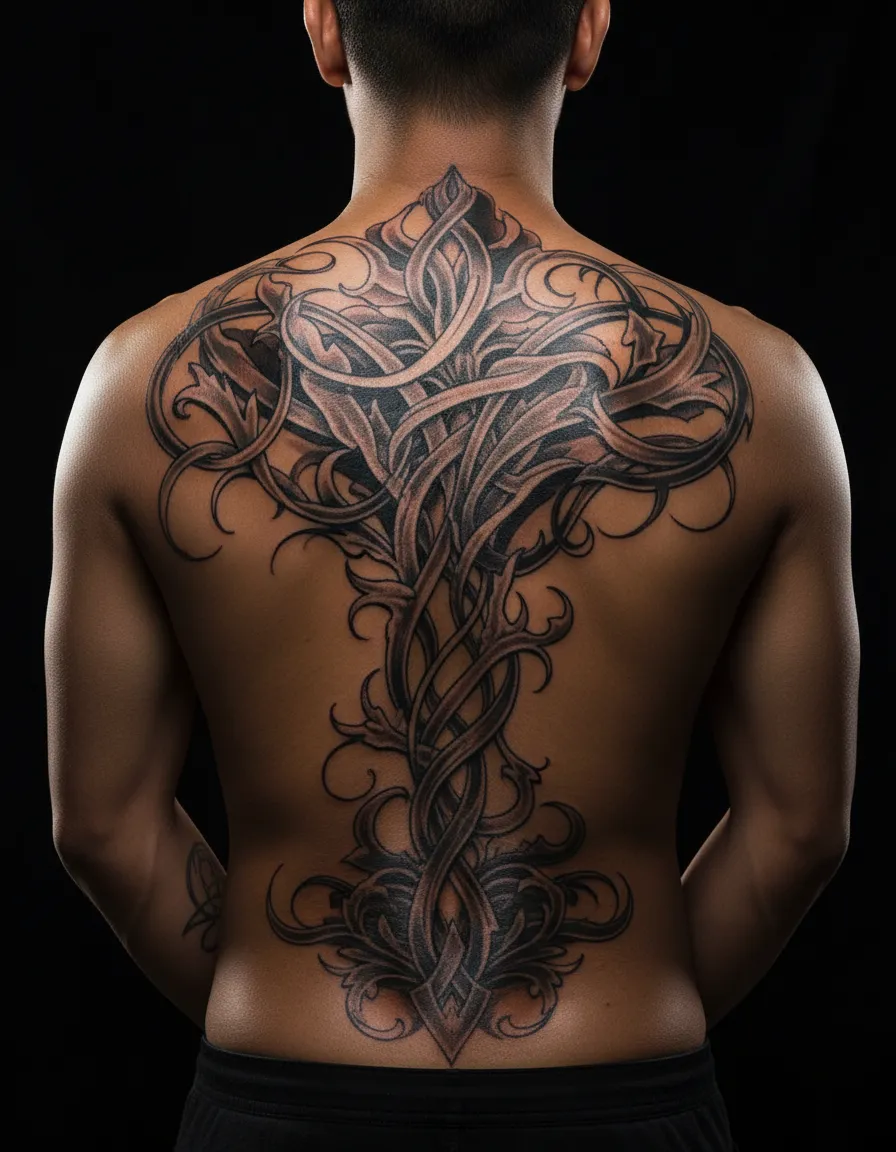
TATTOO PORTFOLIO
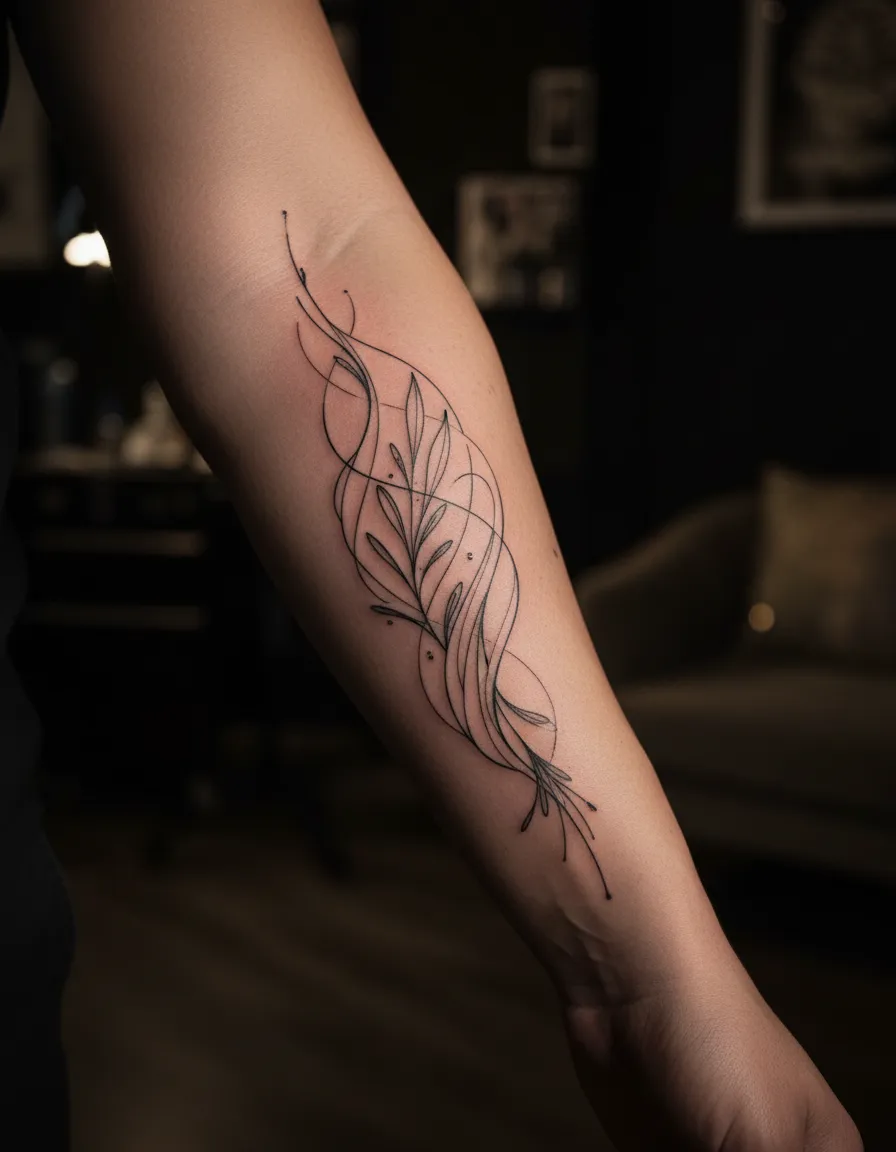
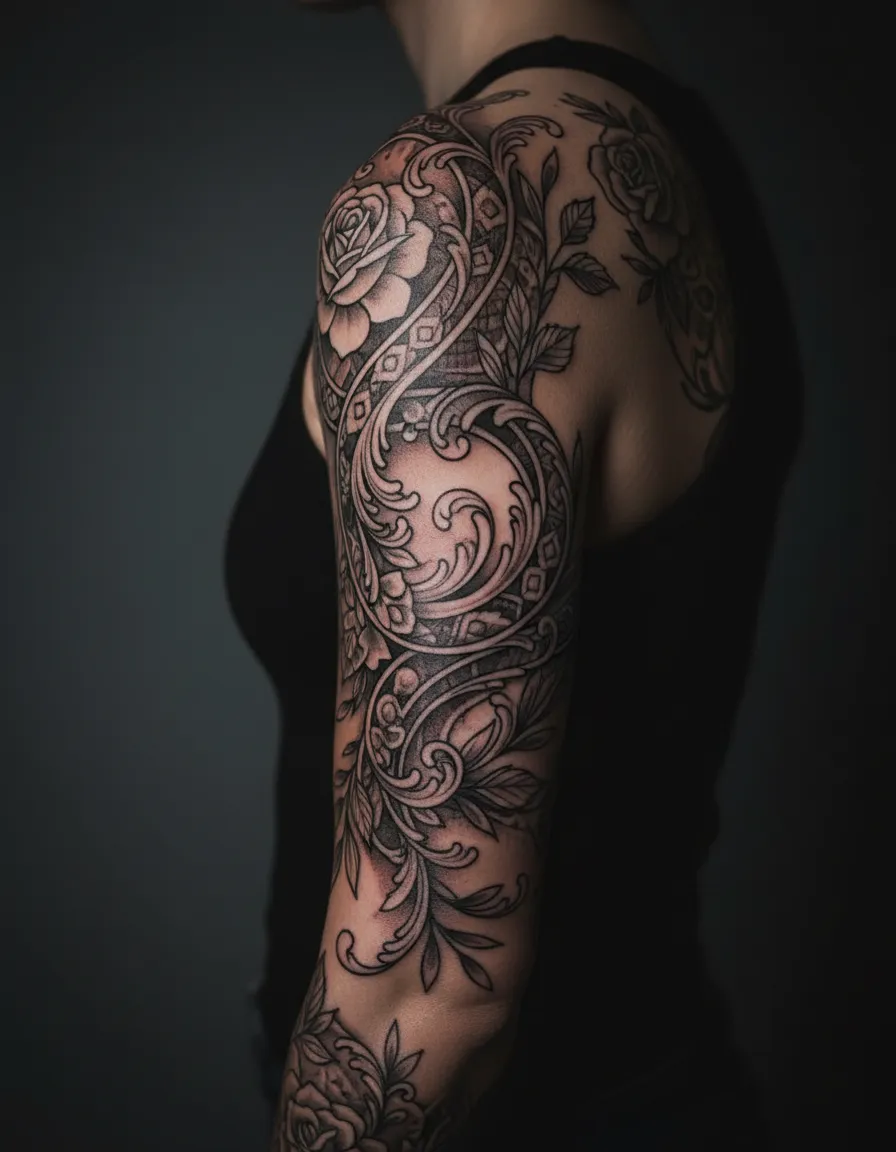
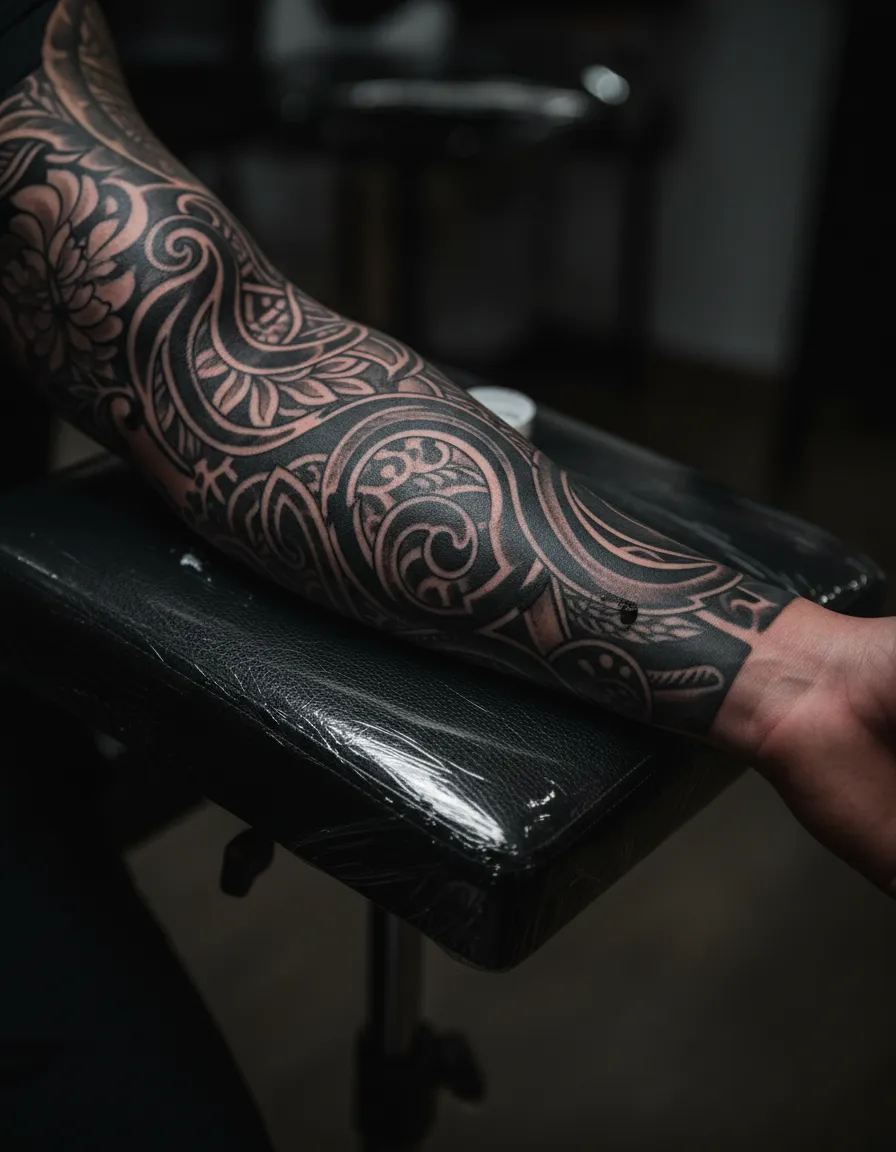
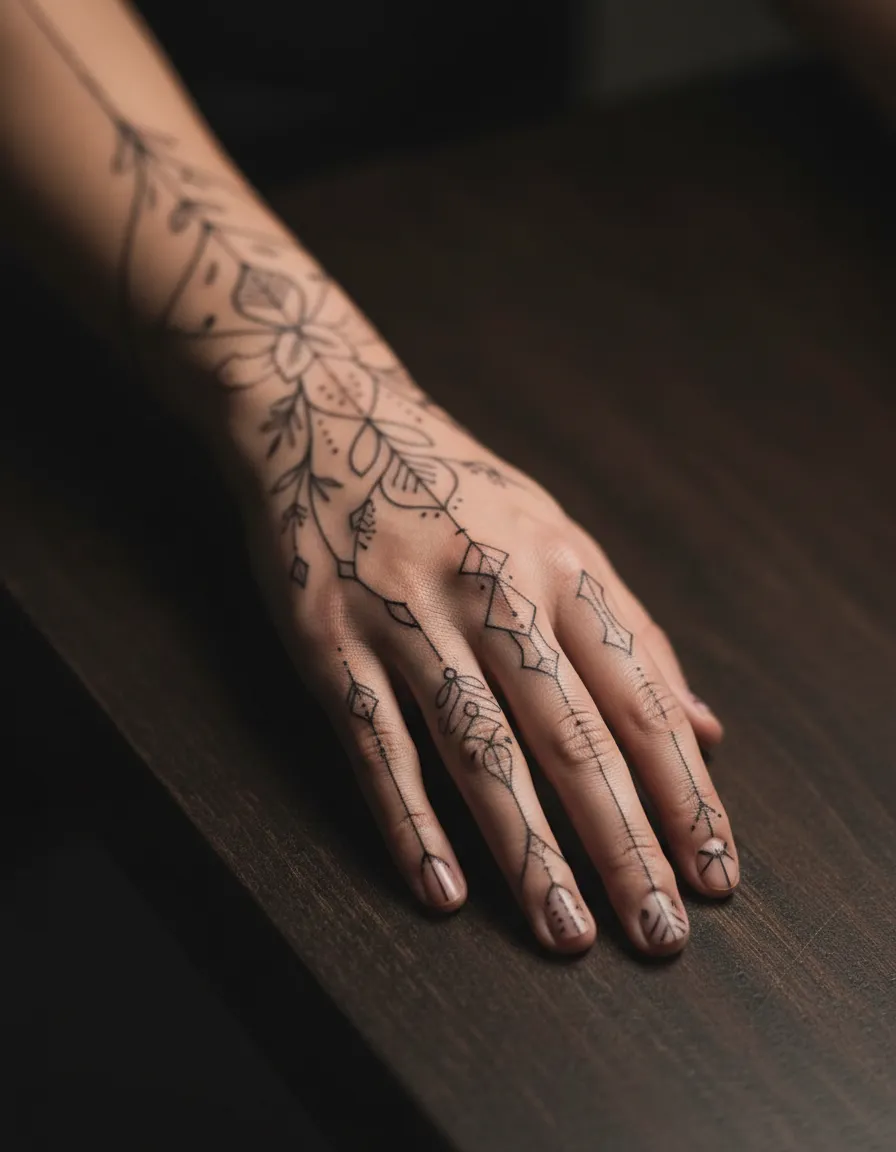
Trad Tattoos:

WHY CHOOSE US
Why Choose .01 Essential Snapshot for Your Tattoo?
We specialize in Trad tattoos with a focus on designs that age beautifully. Every piece is a collaboration between your vision and our expertise.
[Benefit 1 - e.g., Custom Design Process]
Every piece is designed specifically for your body and story—no flash, no copies, just art that's uniquely yours.
[Benefit 2 - e.g., Precision & Detail]
Fine lines that stay crisp. Shading that ages beautifully. Your piece will look as good in 10 years as it does today.
THE PROCESS
How to Book Your Custom Tattoo
Step 01 - "Submit Your Idea"
Fill out our consultation form with your vision, reference images, and placement ideas. We respond within 48 hours.
Step 02 - "Consultation"
We'll discuss your design, placement, sizing, and timeline. This is where we make sure we're the right fit for your piece.
Step 03 - "Design & Deposit"
Once we're aligned, a deposit secures your appointment. Your custom design is created specifically for you.
Step 04 - "Tattoo Day"
See your design, make any final tweaks, then we bring it to life. Sessions include breaks and aftercare instruction.
CLIENT REVIEWS
What Do Clients Say About .01 Essential Snapshot?
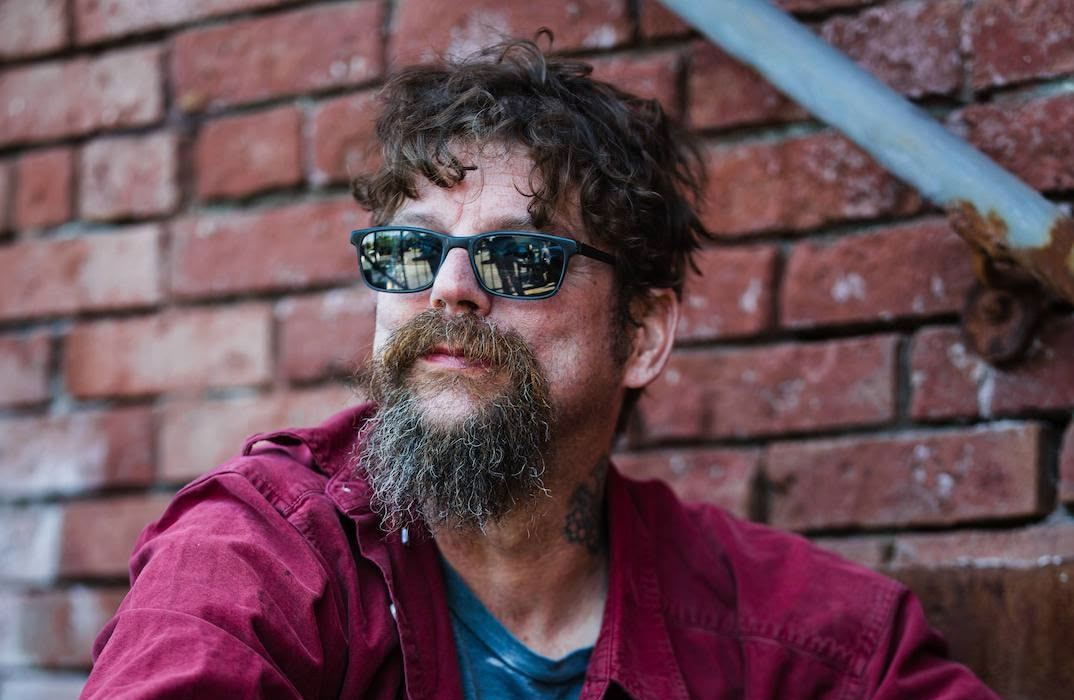
YOUR [CITY] TATTOO ARTIST
[Artist Name] – [Style] Specialist
[Title] • Tattooing Since [Year]
[2-3 sentences about your background, specialty, and what you love to tattoo.]
TATTOO FAQ
Tattoo FAQ: Pricing, Booking & Aftercare
How much does a tattoo cost?
Tattoo prices typically range from $150 to $2,000+ depending on size, detail, and session time. Small pieces start at $150-350, medium pieces run $350-800, and large work is quoted hourly. Our shop minimum is $[X].
How far in advance should I book a tattoo?
Book 4-8 weeks in advance for custom work. Our current wait time is [X weeks]. Follow us on Instagram for cancellation openings and flash availability.
What should I do before getting a tattoo?
Get a full night's sleep, eat a substantial meal, and drink plenty of water. Avoid alcohol for 24 hours and blood thinners like aspirin. Wear comfortable, loose clothing.
Ready to Book Your Next Tattoo?


